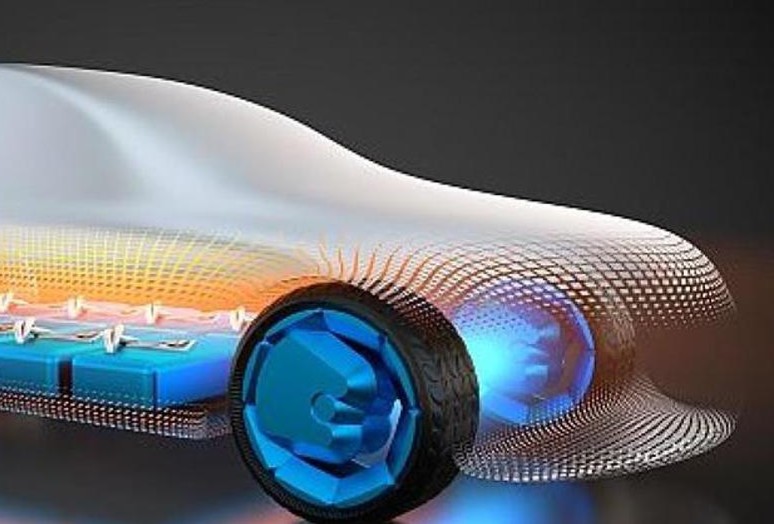
The transition to electric mobility represents one of the most significant engineering shifts of the 21st century. Manufacturers are consistently pushing the boundaries of automotive design to maximize aerodynamic efficiency and energy conservation. Yet despite significant advancements in powertrain development, a fundamental challenge remains for electric vehicle (EV) drivers. Maintaining an optimal cabin temperature, especially during harsh summer months, can severely drain battery reserves. As engineers search for high-tech solutions, a growing focus is being placed on passive cooling technologies to mitigate battery energy loss and extend driving range.
The Hidden Drain of Active Climate Control
EV batteries must supply power to both the drivetrain and the auxiliary systems. Traditional internal combustion engines (ICE) generate excess heat that can be repurposed to warm a cabin. ICE vehicles use mechanical engine power to run air conditioning compressors. Conversely, EVs operate with remarkable thermal efficiency and rely entirely on electrical power from the main battery pack for all climate control. This means cooling or heating the cabin requires dedicated power, which directly impacts driving range.
This impact on driving distance is not merely theoretical but highly measurable. As highlighted in an extensive range test by Car and Driver, running climate control in an EV can dramatically reduce driving range, sometimes consuming up to 35% more energy than driving with the HVAC system turned off.
Simple Interventions for Structural Energy Conservation
To counter this dramatic drop in efficiency, energy conservation at the structural level is paramount. Preventing the cabin from overheating in the first place reduces the subsequent burden on the climate control system. When a vehicle is parked in direct sunlight, the glass windows create a greenhouse effect, trapping solar radiation and causing interior temperatures to skyrocket above the ambient outside air.
Simple thermal barriers, such as sun shades for car windows, are highly effective, zero-emission methods to block solar radiation before it penetrates the glass. By lowering the initial interior temperature of a parked vehicle, air conditioning systems require significantly less energy to achieve a comfortable baseline. This proactive approach allows drivers to conserve battery capacity for actual mileage.
Bridging the Gap to Next-Generation Power
The automotive industry is well aware of the limitations surrounding current lithium-ion batteries, with significant research going into eliminating range anxiety. As detailed in the publisher’s coverage of future transportation, innovations in solid-state and lithium-metal architectures promise to deliver longer ranges and much faster charging times.
These cutting-edge batteries, however, are only now becoming available for the mass market. Solid-state batteries will become the new gold standard, but until they become commonplace, drivers and manufacturers will continue to rely on intelligent energy management to get the most out of existing EVs. That’s where passive cooling strategies will serve us well as a vital bridge in this transitional period.
Modern Passive Innovations in Auto Design
Beyond fundamental accessories, automotive engineers are integrating passive thermal management directly into the architecture of EVs. These design choices aim to reflect, absorb, or dissipate solar energy before it triggers a need for active mechanical cooling.
Current and experimental passive cooling integrations include:
- Advanced Glazing and Smart Glass: Electrochromic glass can dynamically tint in response to ultraviolet exposure, rejecting infrared heat while allowing visible light to enter the cabin.
- Solar Reflective Paints: High-albedo exterior coatings are formulated to bounce solar radiation away from the bodywork, keeping the chassis and underlying battery packs cooler in direct sunlight.
- Phase Change Materials: Integrating specialized materials into the dashboard and seating can absorb ambient heat during peak periods and release it slowly as temperatures drop.
- Ventilated Structural Design: Strategic aerodynamic channelling allows ambient air to flow over critical components, providing a continuous cooling effect without drawing additional electrical power.
Practical Solutions for Today’s EVs and Beyond
The future of personal transportation relies heavily on the ability to optimize the use of every joule of stored energy. While the allure of revolutionary battery chemistry dominates automotive headlines, immediate practicalities and the need for climate control cannot be ignored. The simple act of reducing thermal loads through both integrated engineering and basic passive accessories demonstrates a holistic approach to vehicle efficiency. This integrated mindset ensures that energy conservation remains a priority even as battery capacities expand over time. By keeping the interior of EV cabins cooler while not relying on the vehicle’s HVAC, drivers can ensure battery power is reserved for its primary purpose, driving progress forward efficiently and sustainably.

