
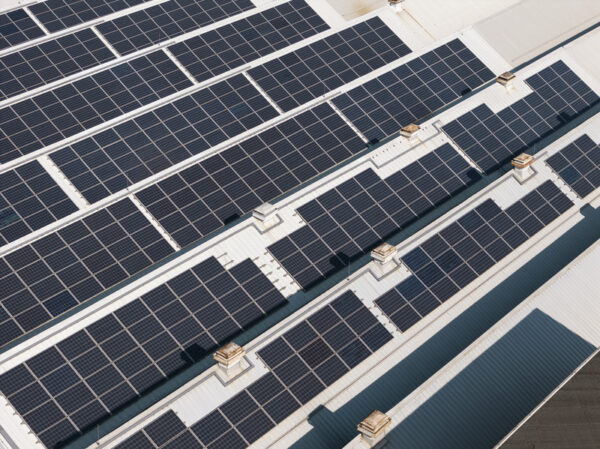
Commercial real estate is undergoing a massive structural transformation. Buildings are no longer viewed merely as passive shelters for businesses and industrial operations. Surging electricity demand from advanced manufacturing, electric vehicle charging networks, and high-density AI data centres is currently colliding with ageing, overtaxed grid infrastructure. As a result, commercial property owners are being forced to transition from passive energy consumers to active, decentralized energy assets. This necessary shift is turning sustainable infrastructure from an environmental novelty into a fundamental pillar of modern property valuation and long-term corporate strategy.
The motivation behind this transition is largely driven by sheer consumption volumes. According to recent International Energy Agency data, the building sector accounts for roughly 30% of global energy demand, with commercial and public buildings making up nearly a third of that. The broader building sector also accounts for about 40% of global carbon emissions, making decarbonization through on-site renewable energy a top priority to meet strict environmental, social, and governance targets.
Microgrids: Standalone Power for Commercial Buildings
As traditional, centralized power grids continue to show vulnerabilities, property developers are turning to distributed energy and local power generation. Businesses are adopting microgrids and on-site energy solutions to ensure security of supply and improve efficiencies.
Recent market data shows commercial distributed energy capacity has expanded fivefold between 2020 and 2025. This growth has drastically outpaced the broader energy transition market as businesses move aggressively to secure their own power supplies.
Integrating on-site solar and battery storage allows companies to shield themselves from volatile energy markets and unexpected grid outages, ensuring uninterrupted operations even during peak demand periods.
Protecting Investments with Proactive Care
While the initial installation of clean energy technology is crucial, these systems are highly technical assets requiring ongoing management. Securing long-term financial and environmental dividends depends heavily on the proper maintenance of commercial solar rooftops, especially in harsh environments. Studies by NREL, the National Renewable Energy Laboratory, demonstrate that without regular cleaning and mechanical inspections, dirt and dust accumulation causes rooftop solar systems to lose between 15 and 25% of their energy efficiency.
In highly polluted or high-dust industrial regions, neglected panels can experience a damaging process called cementation. In the natural world, cementation is how sands turn into sandstone. In polluted environments, cementation occurs when morning dew bakes dust directly onto solar panel glass, causing energy generation losses of up to 50% over time.
Standard commercial maintenance programs are critical for the detection of progressive electrical faults, such as induced degradation that quietly drains solar array energy output over time.
In heavy-dust areas, therefore, it is important to do proactive panel cleaning to restore energy efficiency up to 35%, dramatically accelerating return on investment. Professional cleaning and mechanical inspections done twice annually can maintain up to 95% of the rated performance efficiency of solar panels over their standard 25-year lifespan.
The Business Case for Localized Power Generation
The integration of clean energy infrastructure provides a major financial catalyst for property owners. Commercial real estate today faces a growing brown discount. This is a market phenomenon where properties lacking recognized environmental certifications actively lose capital value and occupier interest. Conversely, properties equipped with green technology generate significant financial returns.
Leading real estate research highlights several compelling financial advantages to adopting localized power:
- Power Premiums: High-power commercial leases for properties equipped with distributed energy resources capture rents up to 49% higher than standard leases.
- Resale Value Uplifts: On-site installed photovoltaics for industrial and logistics properties increase market valuations by up to 4.2%.
- Passive Income Generation: Front-of-the-meter leases, where property owners lease roof space directly to energy developers, deliver value increases of around 4% without requiring capital outlay from the owner.
- Increased Tenant Demand: Roughly 90% of commercial occupiers today indicate a willingness to pay a premium for properties equipped with reliable and resilient clean energy infrastructure.
Stricter international regulations are accelerating this shift to the distributed energy model. The European Union has mandated the phased integration of photovoltaics on all public and commercial buildings starting in 2027.
As clean energy technology continues to evolve, the distinction between real estate and energy generation is blurring even further. By prioritizing sustainable upgrades and rigorous maintenance protocols, property owners can future-proof portfolios against rising energy costs while simultaneously supporting global environmental goals.
With COP31 currently underway, the subject of clean energy infrastructure is a high priority. For commercial real estate, it is permanently turning everyday buildings into highly valuable, active participants in the transition to a low-carbon future.