Chronic skin conditions affect millions globally. These ailments often cause physical discomfort and significant psychological distress, impacting daily life. Traditionally, managing complex skin conditions requires in-person visits to specialists, which can be time-consuming and costly. Rapid advancements in medical technology, however, are fundamentally changing how we approach dermatological health.
Digital platforms, artificial intelligence (AI) in diagnostics, and telemedicine are converging to create unprecedented access to expert care. Patients no longer need to rely solely on local clinics or endure months-long waiting lists to access a dermatologist. Instead, innovative software and connected devices can bring the clinic directly to the patient, offering highly effective solutions along with convenience. This is particularly important for individuals requiring ongoing management for persistent inflammatory conditions.
Teledermatology and Remote Care
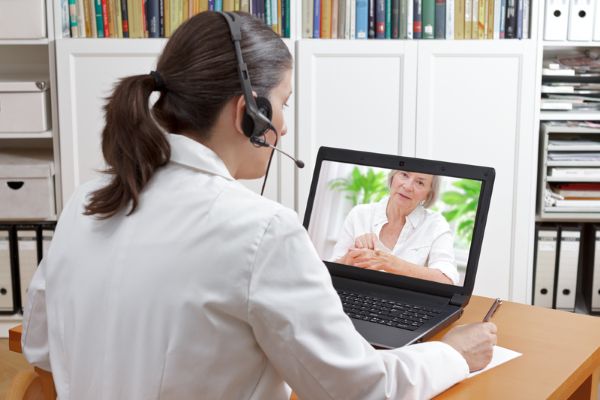
In Australia and Canada, for example, with their vast distances, geographical location has been a major barrier to receiving quality dermatological care, particularly for those living in remote areas. Today, digital health platforms and telehealth applications are bridging the geographic gap, allowing physicians to diagnose patients’ conditions regardless of location.
Using secure applications and today’s high-resolution smartphone cameras, patients can now be sent easy-to-follow self-checkup instructions and submit images to doctors for thorough medical analysis from the comfort of their living rooms. This shift to the digital realm is saving individuals from unnecessary hospital visits and ensuring rapid turnaround in evaluating a patient’s condition and producing a diagnosis and treatment plan.
The addition of creating a cloud-based electronic health record (EHR), a work in progress in many countries, is ideal for diagnosis and treatment in the digital age. An EHR allows secure sharing of patient histories with physicians, ensuring cohesive and well-informed treatment. For those in remote areas, an EHR is a lifeline, making early intervention much more achievable and preventing minor issues from escalating.
Personalized Medicine Leads to Customized Treatment
The integration of remote diagnostics is paving the way for highly personalized treatment plans. Generalized, over-the-counter products often fail to address the complex nature of chronic inflammatory dermatological issues. Whether dealing with adult acne or seeking targeted treatment for other skin conditions, online resources can be immediately at hand. For example, rosacea, a skin condition that causes persistent redness or flushing of facial skin, can be treated by online experts like those at Qr8 Mediskin.
Through comprehensive online consultations, accredited online platforms can connect with patients directly and offer personalized care. Sophisticated telemedicine platforms analyze patient data, track progress over time, and adjust formulations as a patient’s condition changes during treatment, delivering a dynamic, medically supervised personal treatment plan that evolves and ultimately leads to faster and more sustainable results. The guesswork in treating chronic skin conditions is replaced by data-driven medical science.
Evidence-Based Outcomes and High Patient Satisfaction
The transition to digital health is not just a matter of convenience. It is backed by robust clinical evidence demonstrating clear success and reliability. Modern medical technologies are proving that remote interventions can be just as effective as traditional, in-person consultations. Research published in PubMed Central in 2023 involving 44 studies comparing teledermatology with traditional practice showed a high rate of success and patient acceptance of online care. The key factors driving this included:
- Accessibility: Immediate access to expert opinions without enduring long specialist waiting lists or travelling long distances.
- Clinical Efficacy: Accurate diagnoses facilitated by advanced smartphone imaging and digital triage systems that prioritize urgent cases.
- Continuous Monitoring: Seamless, asynchronous communication channels that allow practitioners to check in on patient progress regularly.
- Reduced Anxiety: The ability to manage frustrating flare-ups from the comfort of home, which lowers the stress often associated with clinical visits.
Patients reported exceptionally high levels of trust in these remote healthcare systems, frequently indicating a strong willingness to use telemedicine services for future dermatological needs rather than returning to standard clinical visits. The ability to receive rapid feedback and reassurance from medical professionals built a strong therapeutic relationship, even without physical proximity.
The Future of Dermatology
As medical technology continues to evolve, dermatology will increasingly look digital and highly personalized. AI will play an even larger role in initial diagnoses, while telehealth platforms will continue to refine the remote patient experience.
For those with chronic skin conditions, these technological advancements offer more than just medical solutions. They provide empowerment, convenience, and a renewed sense of confidence. By embracing these digital tools, the medical community is ensuring that high-quality, customized healthcare will be accessible to anyone with a smartphone, revolutionizing skin management for the better.