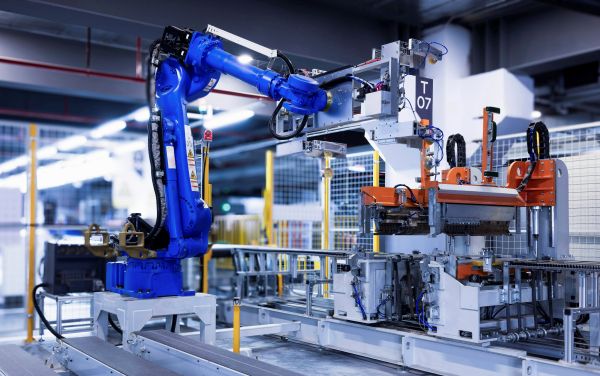
The modern warehouse isn’t just a place to store things anymore; it’s become a buzzing hub of technology and data. With e-commerce moving at lightning speed and customers expecting quicker, more accurate deliveries, logistics companies are embracing a new way of doing things. This shift, called smart warehousing, brings together automation, data analysis, and connectivity to create a supply chain that’s faster, more efficient, and more resilient than ever.
Beyond Traditional Storage
Warehouses have changed completely. They’re no longer static buildings for holding inventory, but active, high-volume fulfillment centres. Now, the goal isn’t just storage, but getting things moving fast and fulfilling orders precisely. This needs sophisticated systems that can handle complex tasks like cross-docking, kitting, and managing returns smoothly. The focus is on speed and clear visibility, making the warehouse a real competitive advantage.
For businesses expanding into new markets, building this kind of advanced setup from scratch can be a huge hurdle. That’s why many companies team up with specialized providers who already have these systems in place. For example, an e-commerce brand looking to grow its operations can use a service like J&J Europe fulfilment to immediately tap into a high-tech logistics network without the massive upfront cost. This lets businesses focus on their main products while experts handle the complexities of next-generation fulfillment.
IoT for Inventory Tracking
At the core of a smart warehouse is the Internet of Things (IoT). This network of connected devices gives unparalleled insight into every corner of the facility. Instead of manual scans and occasional inventory checks, warehouses now use IoT sensors, RFID tags, and GPS trackers to monitor inventory in real time. Each item, pallet, or container can report its location, status, and even environmental conditions like temperature or humidity.
This constant flow of data removes the guesswork that used to plague inventory management. When an order comes in, the system instantly knows the most efficient way to get the item, saving valuable time and effort.
Smart warehouse managers always know exactly what they have and where everything is, drastically reducing stockouts and lost items. Plus, simple IoT solutions can also track equipment and staff movement, helping streamline workflows and improve safety.
Robotics in Picking and Packing
Automation is one of the most obvious features of a smart warehouse. Robotics have moved past simple conveyor belts to take on the labour-intensive jobs of picking and packing. Autonomous Mobile Robots (AMRs) navigate the warehouse floor, bringing shelves of goods directly to human workers. This means employees no longer have to walk miles every day.
Other systems use robotic arms with advanced vision to identify and pick individual items from bins with incredible speed and accuracy. These robots can work non-stop, significantly increasing how much a warehouse can process. This speeds up order fulfillment, giving repetitive and physically demanding tasks to machines while freeing human workers to focus on more complex, value-added activities.
Data-Driven Warehouse Optimization
A smart warehouse generates a huge amount of data, and analyzing this information is what truly unlocks its potential. A modern Warehouse Management System (WMS) acts as the brains of the operation, gathering data from IoT devices, robots, and order processing systems. It then uses advanced analytics and artificial intelligence (AI) to make smart decisions.
For instance, data analysis can reveal patterns in order demand, allowing the warehouse to proactively place popular items closer to packing stations for faster retrieval. It can optimize picking routes in real time to avoid congestion and minimize travel distance.
Predictive analytics can forecast future staffing needs or proactively identify equipment in need of maintenance before breakdowns.
Future-Proofing Your Supply Chain
Adopting smart warehousing technology isn’t just about making things more efficient now; it’s about building a supply chain that’s flexible enough for future challenges.
Recent disruptions in global logistics have shown how quickly traditional systems can fall apart under pressure. A smart warehouse, built on automation and data, is much more adaptable. It can quickly scale operations up or down, reconfigure workflows for new products, and provide the visibility needed to navigate unexpected delays.
Investing in these new warehousing technologies gives companies a leg up on being able to meet customer expectations of getting things faster. Delivering orders faster, more accurately, and more affordably are key differentiators in a competitive marketplace.
As logistics continues to undergo the changes that automation and AI are bringing, keeping an eye on global trends and innovations is critical. This forward-thinking strategy ensures supply chains are powerful enablers of success and growth. Their integration is redefining the field, with smart warehouses being more than just efficient buildings. They are a connected, intelligent, and automated ecosystem designed for the demands of the 21st century digital economy.